Water heater specialists · Not a general plumber
Cleveland, Ohio · Installation & replacement
Cleveland water heater replacement. That's the whole job. Water heater installation and replacement in Cleveland, Ohio — tanks, tankless, conversions, repairs, and no-hot-water emergencies.
When someone searches "water heater replacement Cleveland," they usually want a specialist, not a company that also does drains, fixtures, and remodels. Tell us what's happening and request a free quote from an independent local installer.
- Tank installation
- Tankless
- Tank-to-tankless conversion
- Repair
- Emergency no hot water
Photo: Eric Drost, Cleveland skyline from Edgewater Park, May 2025. Wikimedia Commons, CC BY 2.0.

Quick answer: Water heater replacement in Cleveland is usually a like-for-like tank swap in a basement that already has gas or a dedicated electric circuit. The City of Cleveland requires a plumbing permit for a new or replaced water heater.[1] Size a storage tank by first-hour rating, not just gallons,[2] and size tankless by flow at the winter temperature rise — Cleveland Water comes from Lake Erie, not from stable groundwater.[3][4] This site does not publish prices; the form requests a free local quote.
Why a water heater specialist
Not one service among thirty.
Most full-service plumbers offer water heaters as one line on a long menu. This site does one thing: water heaters for Cleveland-area homes.
The search is usually specific — "water heater replacement Cleveland," "Cleveland water heater installation," "no hot water," "tankless conversion." A page that answers those questions with local detail (permits, Lake Erie water, the age of the housing stock) is more useful than a generic plumbing service blurb.
This is a referral website. Independent local contractors do the installation, replacement, or repair. The pages here exist to help you understand the job, decide whether repair or replacement makes sense, and request a free quote without wading through unrelated plumbing services.
Specialist vs general plumber
What changes when water heaters are the only job.
A water heater specialist
- One service line: install, replace, convert, or repair water heaters
- Pages built around the phrases people actually search, including suburb names
- Inventory and training aimed at the same install, over and over
- Local facts that matter for this job: Cleveland Water hardness, winter lake water, City of Cleveland plumbing permits, older basement chimneys
A typical full-service plumber
- Water heaters listed next to drains, fixtures, sewer lines, and remodels
- Marketing spread across dozens of keywords
- The truck may be stocked for many different jobs
- Useful if you need several trades at once — not always the first call when the only problem is the tank
That comparison is about focus, not a claim that any named company does poor work. This site does not publish reviews, ratings, or contractor credentials.
Interactive symptom check
Is it time to replace the tank?
Five questions. The gauge climbs with each warning sign. Your answers can be copied into the quote form so you do not have to type them twice.
Question 1 of 5
How old is the tank?
Question 2 of 5
Any water around the base?
Question 3 of 5
What does the hot water look or smell like?
Question 4 of 5
Popping, rumbling or banging?
Question 5 of 5
How's the hot water supply?
Your result
Get your free quoteInside a tank water heater
Tap a part. See what fails.
Most "my water heater is acting up" problems trace back to one of six parts. Some are straightforward repairs; one (the tank body) is not.
T&P relief valve
The temperature and pressure relief valve opens if the tank gets dangerously hot or pressurized. Water dripping from its discharge pipe can mean excess pressure or a failing valve. Never cap or plug it.
Anode rod
A sacrificial metal rod that corrodes so the steel tank doesn't. Once it's eaten away, the tank itself starts rusting. Rusty or rotten-egg-smelling hot water are common clues.
Dip tube
Carries incoming cold water to the bottom of the tank. If it cracks, cold water mixes in at the top and showers go lukewarm fast.
Sediment layer
Minerals settle on the tank floor. You hear it as popping or rumbling; it insulates the water from the burner, wastes energy, and overheats the tank bottom. Cleveland Water reports moderately hard to hard water, which makes sediment worth watching.
Burner / elements
Gas tanks have a burner and flue; electric tanks have upper and lower elements. Element and thermostat failures are often repairable; a leaking tank body is not.
Drain valve
Used for flushing sediment. Water pooling under the tank but not from this valve or a fitting usually means the tank itself is leaking.
Tank, tankless, or heat pump
Three ways to heat water in a Cleveland home.
Go deeper: tank installation · tankless · conversion · tank vs tankless
Warning signs
Eight reasons Cleveland tanks get replaced.
01
Water under the tank
If fittings, the drain valve, and the relief valve are dry but water collects under the tank, the tank body has likely corroded through. That cannot be patched.
02
Rusty hot water
Discoloration only on the hot side points to rust inside the tank or a spent anode. On an older tank it is a strong replacement signal.
03
Age past 10–15 years
That is the typical life range federal guidance gives for storage tanks.[5] Past it, plan the replacement instead of waiting for a basement flood.
04
Popping and rumbling
Heavy sediment makes noise, wastes fuel, and overheats the tank floor. Cleveland Water's hardness figures help explain why local tanks collect scale.[3]
05
Running out faster
Sediment taking up space, a broken dip tube, a failing element, or a household that outgrew the tank's first-hour rating.[2]
06
Repeated repairs
Elements, thermostats, and gas valves can each be worth fixing on a young tank. Stacking them on a 14-year-old tank usually is not.
07
Relief valve discharging
Water from the T&P discharge pipe means temperature or pressure trouble. Get it checked promptly; it is a safety device.
08
No hot water at all
Sometimes a repairable part has failed. Sometimes the tank is done. The no-hot-water guide covers what to check before you request help.
Full warning-signs guide, including how to read the serial number →
Cleveland water and older houses
Lake Erie at the tap. Pre-war walls around it.
Cleveland Water gets its drinking water from Lake Erie, a surface-water source, through four intakes in the lake's Central Basin that feed four treatment plants. The utility reports serving about 1.4 million customers in 80 communities.[3][10]
In its 2025 Water Quality Report, Cleveland Water lists hardness as 105–130 mg/L as calcium carbonate, averaging 117 mg/L.[3] USGS describes water from 61 to 120 mg/L as moderately hard and 121 to 180 mg/L as hard, so Cleveland's reported range sits across those two bands.[11] For a water heater, that usually means sediment in tanks and scale on tankless heat exchangers — maintenance matters more here than in a soft-water city.
The housing around those tanks is old. ACS 2024 5-year estimates put about 48.6% of Cleveland housing units in the "built 1939 or earlier" group, and about 85.1% before 1980.[6] Many of those homes have been through several water heaters. Original setups often assumed an atmospheric gas tank venting into a masonry chimney, sometimes shared with a furnace. When the furnace later became a high-efficiency model with its own plastic vent, the water heater may have been left alone in a chimney sized for two appliances. That is the kind of detail an installer evaluates at replacement time.
Cleveland housing by the numbers
The U.S. Census Bureau's American Community Survey (2024 5-year estimates) describes the homes water heaters serve in Cleveland.[6] These are survey estimates with margins of error, so treat them as approximate.
| Measure (ACS 2024 5-year) | Cleveland |
|---|---|
| Population | 366,097 |
| Housing units | 201,141 |
| Built before 1980 | 85.1% |
| Built before 1960 | 71.2% |
| Built 1939 or earlier | 48.6% |
| Built 1970–1979 | 5.7% |
| Built 1950–1959 | 12.0% |
| Built 2000 or later | 8.9% |
| Owner-occupied (of 169,683 occupied units) | 41.7% |
| Home heated with utility gas | 77.9% |
| Home heated with electricity | 18.9% |
| Bottled/LP gas · fuel oil | 1.5% · 0.1% |
Heating-fuel figures describe how homes are space-heated, not water-heated, but they are a useful signal of where natural gas service is already in the house.[6]
Permits in the City of Cleveland
The city names water heaters on the permit page.
The City of Cleveland Department of Building and Housing states that a plumbing permit is required for new, extended, or repaired gas service, water service, plumbing systems and fixtures, and new or replaced water heaters.[1]
Plumbing, sewer, and gas piping systems may also require water permits from the Division of Water (the department notes that Building and Housing relays plans to help that review).[1] Licensed plumbing contractors must be registered with both the State of Ohio and the City of Cleveland; the city notes that do-it-yourselfers do not have to be registered.[1]
Installers can typically handle the permit as part of the job. Ask whether it is included in the quote and who schedules the inspection. Fuel changes, new circuits, and new venting are the parts most likely to draw extra attention.
Suburb rules differ. Lakewood, Parma, Cleveland Heights, Euclid, Strongsville, and Westlake each have their own building department. Those details live on the area pages — this homepage does not pretend every suburb uses Cleveland's process.
How a replacement works
From the form to hot water.
Request
Fill out the form with what's happening. Only name, phone, and a short note are required.
Look
The current unit, fuel, venting, and space are checked, and repair versus replace is discussed.
Quote
Options are priced: like-for-like, upgrades, and any code items or permits.
Install
Water and fuel are shut off, the old tank is drained and removed, and the new unit is connected, filled, and fired.
Check
Leaks, venting, and temperature are tested; the old tank is hauled away; inspection follows if a permit applies.
Those steps describe what typically happens. They do not promise a timeline, a warranty, or that every installer works the same way.
Around Cleveland
Six suburbs with their own details.
Each town page uses that city's Census housing figures, its building-department rules as published, and how Cleveland Water serves it (direct service or, for Lakewood, master meter).[10]
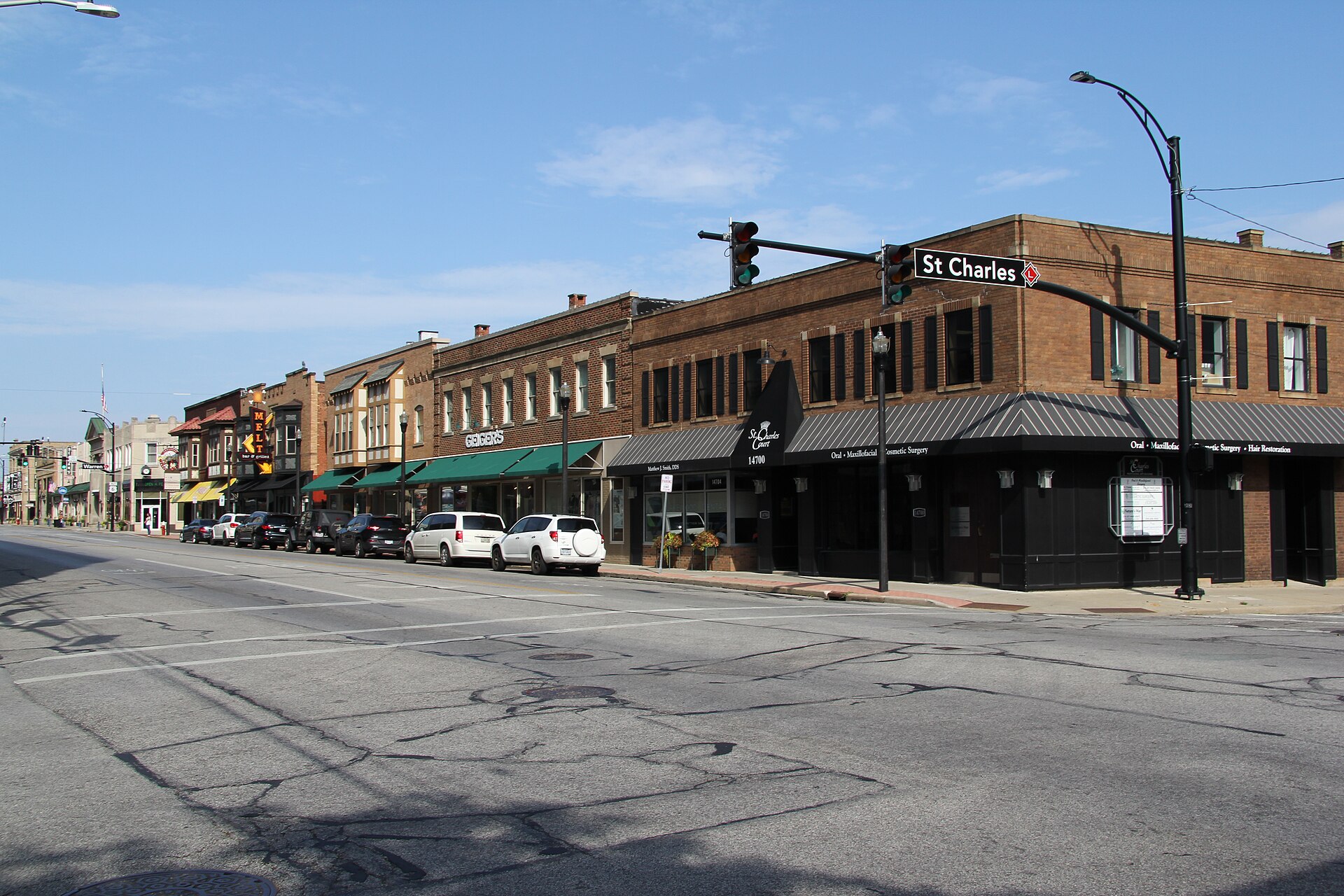 LakewoodVery old, dense housing (about 59.6% built in 1939 or earlier) and master-meter Cleveland Water.
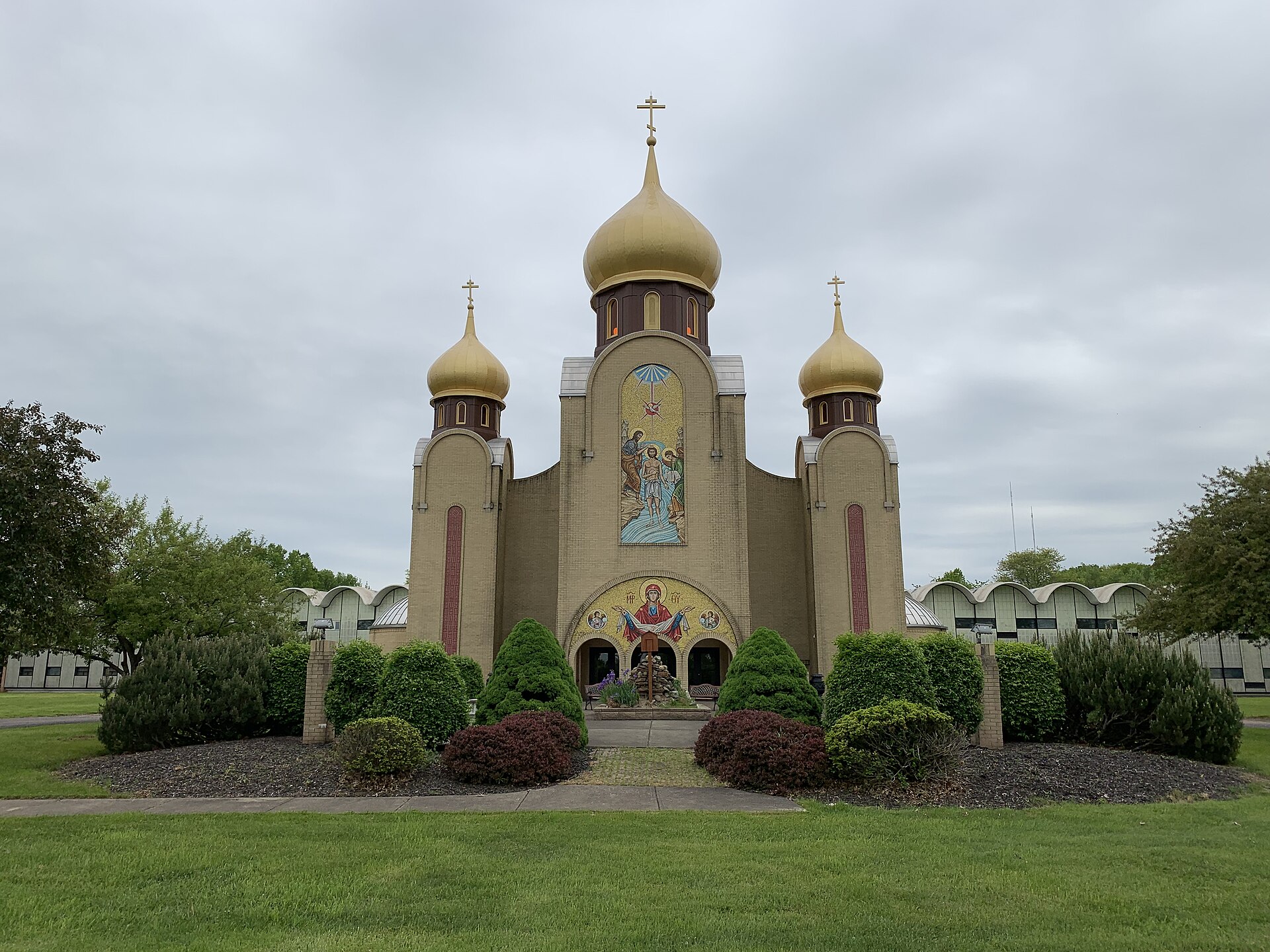 ParmaA 1950s suburb: about 39.4% of housing units were built from 1950 to 1959.
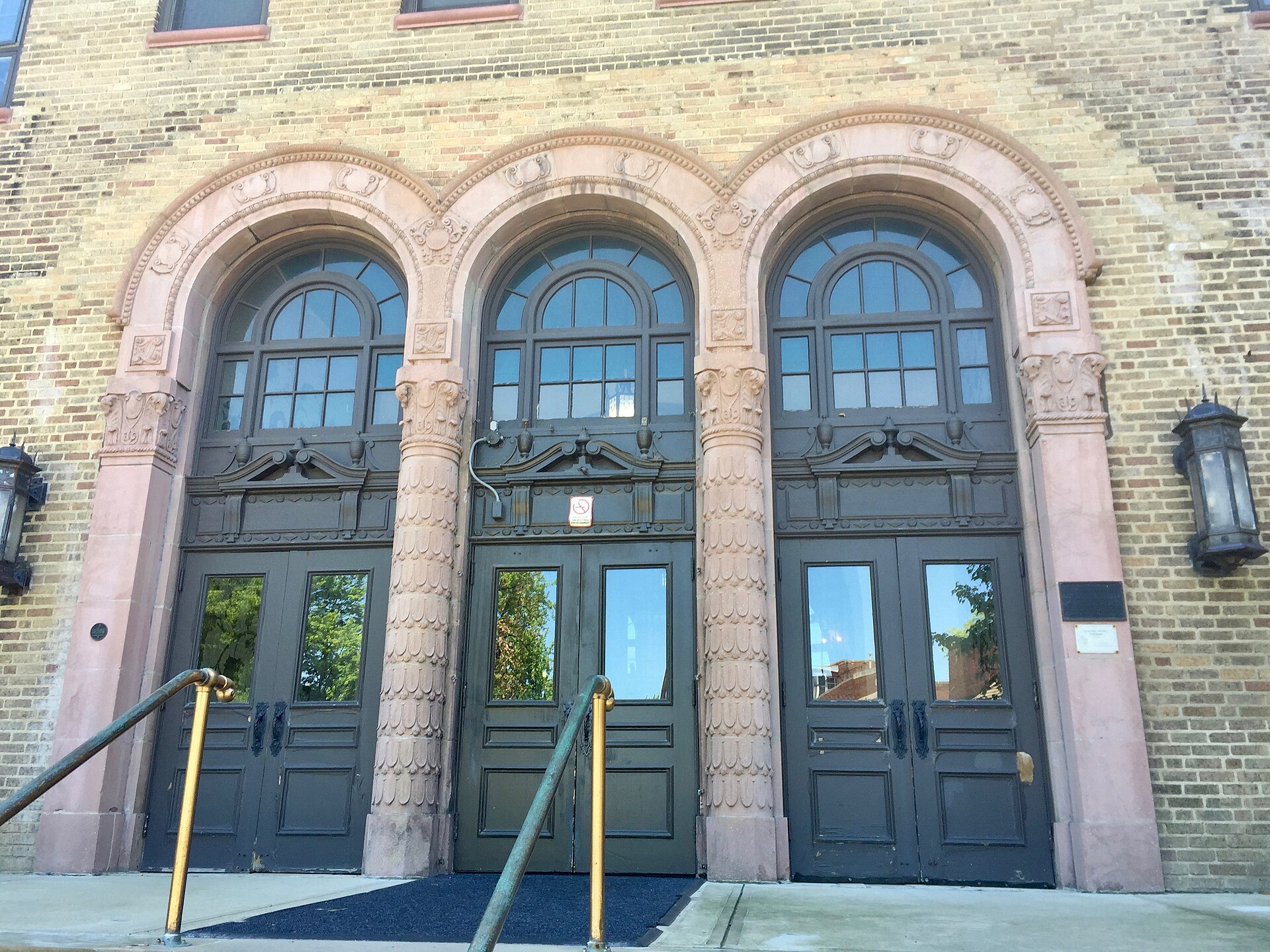 Cleveland HeightsHistoric east-side housing, about 81.2% built before 1960.
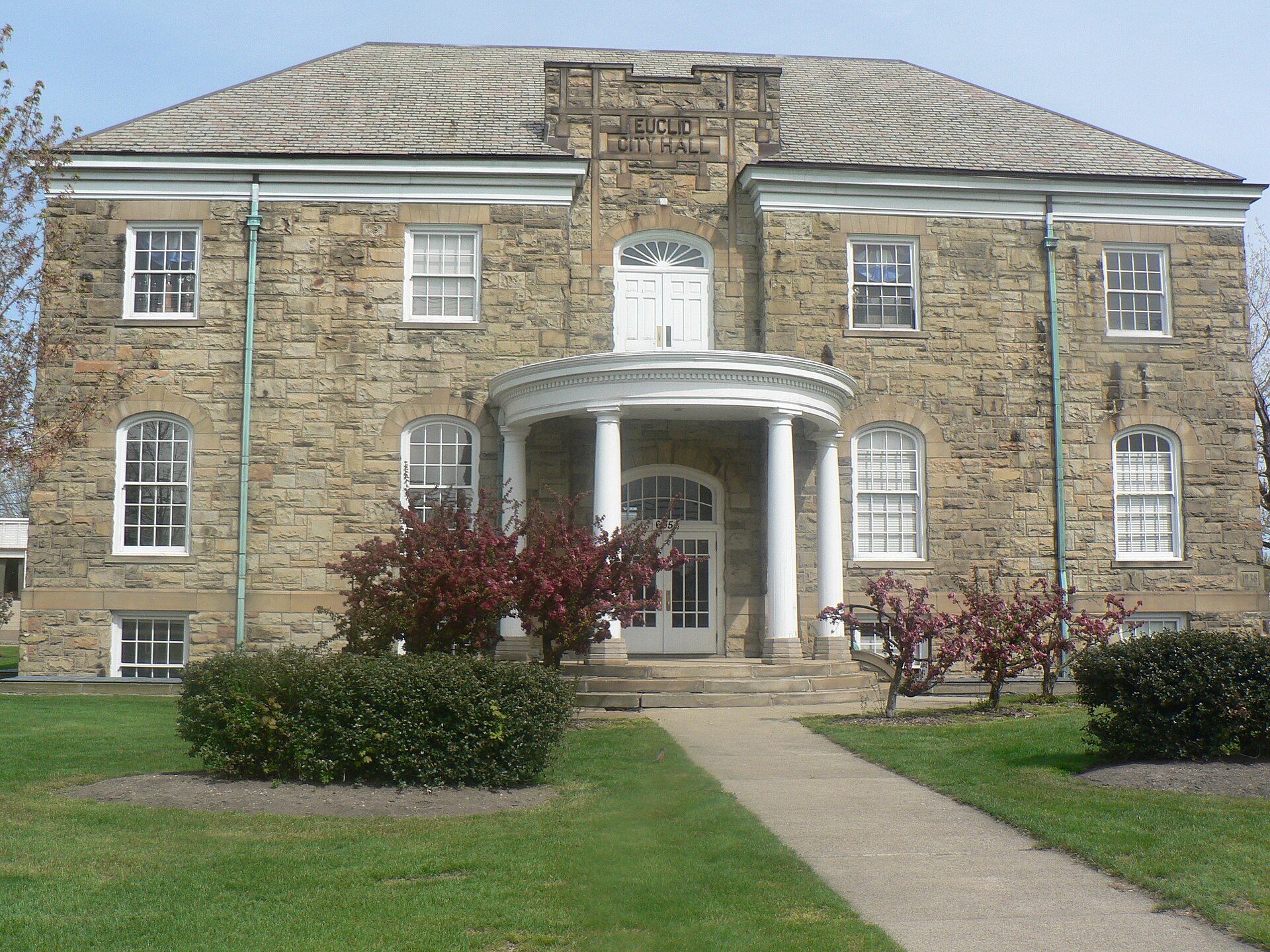 EuclidLakefront east side, with a city form that lists hot-water tanks on an HVAC permit application.
 StrongsvilleNewer southwest housing and an iWorq permit portal.
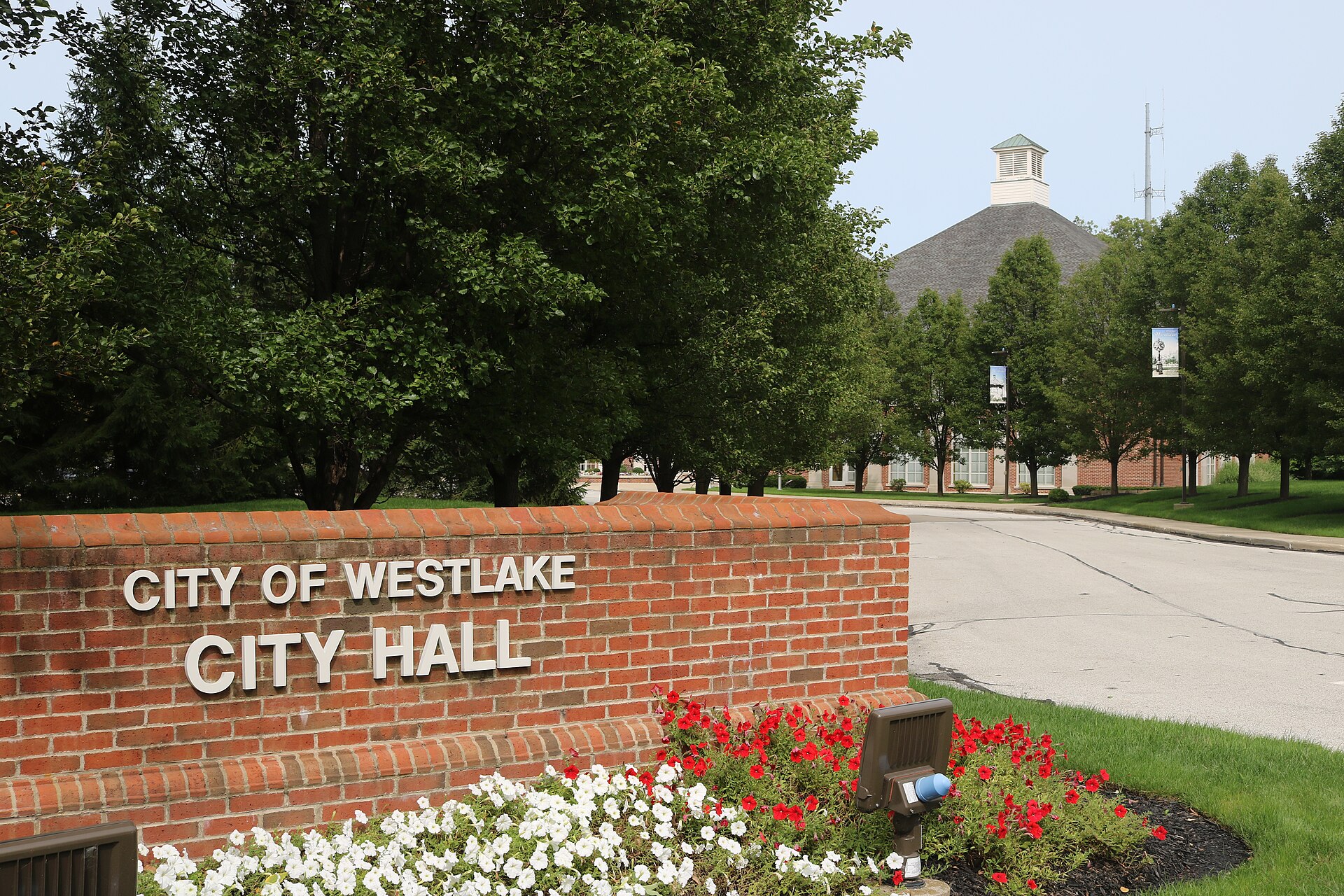 WestlakeThe newest of these six, with more homes built since 1980 than before 1960.
Town photos are freely licensed images of real places in those cities, credited on each page. They are not photos of jobs.
FAQ
Cleveland water heater questions.
Requests are accepted from the City of Cleveland and nearby suburbs listed above. Not sure? Submit the form with your ZIP.
How long does a water heater last in Cleveland?
Do I need a permit to replace a water heater in Cleveland?
How much does water heater replacement cost in Cleveland?
Should I get a tankless water heater?
Gas or electric: which is better?
What size water heater do I need?
Can my water heater be repaired instead of replaced?
Why is my water rusty or smelly only on the hot side?
Why does my tank make popping or rumbling noises?
My water heater is leaking. What should I do right now?
Do you only work on water heaters?
Is this a plumbing contractor?
Are there rebates for efficient water heaters?
What should I put in the quote form?
Ready for reliable hot water?
Request a free Cleveland water heater quote from an independent local installer.
Get your free quote →Sources
- City of Cleveland Department of Building and Housing: Plumbing Permits
- U.S. DOE Technology Fact Sheet: Water Heating (PDF)
- Cleveland Water: 2025 Water Quality Report (PDF)
- ENERGY STAR Technical Bulletin: Demand Water Heaters (PDF)
- PNNL / DOE Building America Solution Center: Gas-Fired Tankless Water Heaters
- Census Reporter (ACS 2024 5-year): Cleveland city, OH
- U.S. DOE Building America: Measure Guideline, Transitioning to a Tankless Water Heater (PDF)
- ENERGY STAR: Heat Pump Water Heaters
- ENERGY STAR: Federal Tax Credits for Energy Efficiency
- Cleveland Water: 2024 Annual Report (PDF)
- U.S. Geological Survey: Hardness of Water
- ENERGY STAR: Whole Home Tankless Gas Water Heaters